Fort Valley, Coconino County
Septic Service in Fort Valley, AZ
As of August 2026, Fort Valley properties generally can't get a new standard septic system approved — Coconino County's own 1990 Fort Valley Area Plan documents an ADEQ finding that standard systems should no longer be approved there, following a documented groundwater contamination issue. Flagstaff Septic Pros can match you with a local contractor who works with Fort Valley's engineered-system requirements specifically.
What Coconino County's Own Plan Says
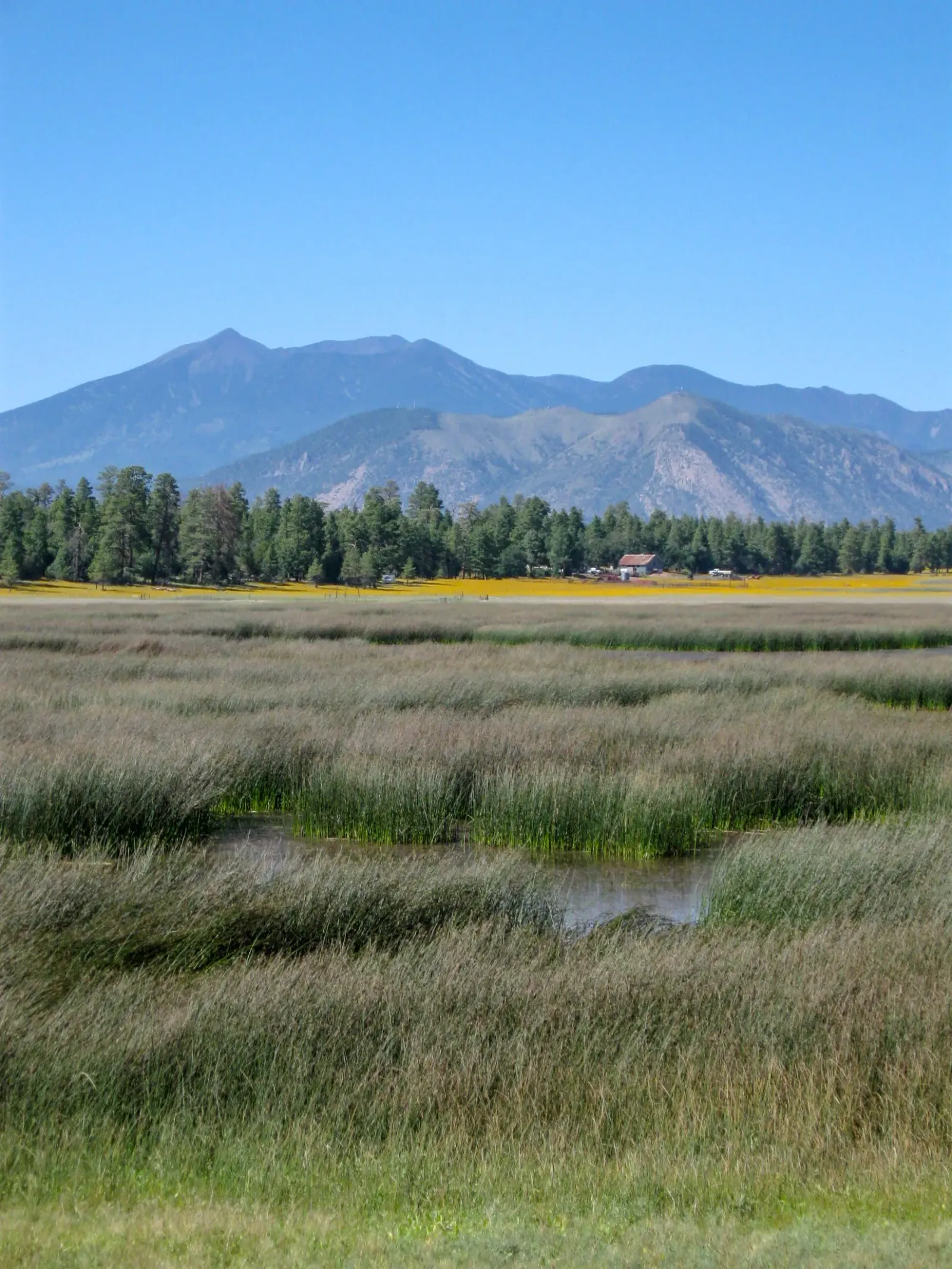
The Fort Valley Highway 180 Scenic Corridor Area Plan — adopted by Coconino County in 1990 and still the plan of record as of this writing — documents Fort Valley's soils and groundwater in real detail. Its Soils section notes that alluvial-fan soils in the area are deep, cindery, and well-drained, while valley-floor soils are fine-textured and poorly drained, and names "drainage in septic tank filter fields" directly as a documented soil-related problem in the valley.
The plan's Water Quality and Wastewater Disposal section goes further. In the early 1990s, residents became concerned about local groundwater quality after private well testing detected fecal coliform bacteria in some domestic water systems. The county's plan identifies the cause as seasonally high groundwater levels intersecting septic system leach fields. ADEQ then conducted its own groundwater sampling across varying groundwater conditions and reached three conclusions, stated directly in the plan:
Standard septic systems should no longer be approved for Fort Valley; there was no immediate need to replace existing standard systems; and older wells needed to be upgraded and properly protected.
In practice, that means new construction in Fort Valley should plan on a mound, combination, or package system — an engineered or alternative system, not a standard leach field — which in this market typically runs $20,000 or more versus $12,000–$25,000 for a conventional system elsewhere. See our full conventional vs. engineered breakdown and cost guide for the complete picture.
If You Already Have an Older Standard System
The county's plan is specific on this point: there was no immediate need to replace existing standard systems already installed when this finding was made. If your current system is functioning normally, you're not required to swap it out solely because of this finding. That said, if your system does eventually fail or need full replacement, budget for an engineered system rather than assuming a like-for-like conventional swap will be approved — and if you have an older well on the property, the plan also flags that older wells generally need upgraded casing and protection against surface contamination.
Buying a Fort Valley property with an existing septic system? A dedicated septic inspection before closing is worth it here specifically — you'll want to know whether you're inheriting a standard system, and if so, plan accordingly for the day it needs replacing.
Need a Septic Quote for Your Fort Valley Property?
Frequently Asked Questions
Can I get a standard septic system approved in Fort Valley?
Generally, no, for new construction. Coconino County's own 1990 Fort Valley Area Plan documents that ADEQ concluded standard septic systems should no longer be approved for Fort Valley, following groundwater testing that found bacterial contamination linked to septic leach fields. Plan on a mound, combination, or package (engineered/alternative) system instead.
Do I need to replace my existing Fort Valley septic system right away?
Not automatically. The same county plan notes there was no immediate need to replace existing standard systems already in the ground when the finding was made. If your current system is working, it doesn't need to be swapped out just because of this finding -- but if it does eventually need full replacement, budget for an engineered system rather than a like-for-like conventional one.
Why did Fort Valley stop allowing new standard septic systems?
In the early 1990s, private well testing in Fort Valley detected fecal coliform bacteria, traced to seasonally high groundwater levels intersecting septic leach fields. ADEQ conducted its own groundwater sampling to confirm the cause and concluded standard systems should no longer be approved there, to protect groundwater and well quality.